
Estimated reading time: 9 minutes
Key Takeaways
- Recovering from reputation damage is crucial for maintaining a company’s success and involves strategic efforts.
- To effectively recover from reputation damage, assess the situation, issue an apology, and take responsibility for mistakes.
- Implement corrective actions, communicate transparently, and monitor feedback to rebuild trust with stakeholders.
- Building positive associations through marketing and community engagement helps shift focus from past negatives to organizational strengths.
- Seeking external support can provide expertise in navigating reputation repair, while monitoring progress ensures strategies remain effective.
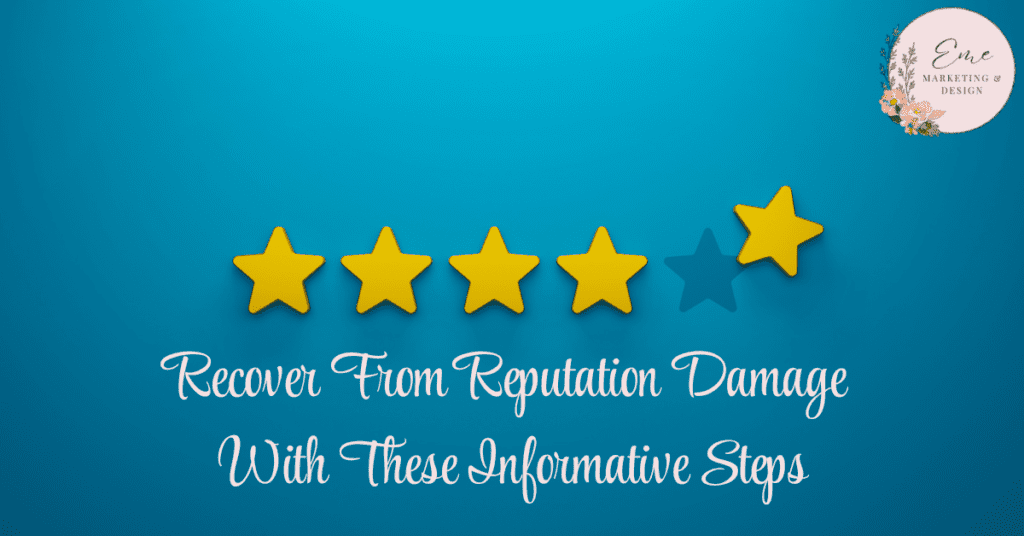
Table of contents
- Understanding the Impact of Reputation Damage
- Step 1: Assess the Situation
- Step 2: Apologize and Take Responsibility
- Step 3: Communicate Effectively
- Step 4: Implement Corrective Actions
- Step 5: Monitor and Respond to Feedback
- Step 6: Build Positive Associations
- Step 7: Seek External Support
- Step 8: Monitor Progress and Adjust Strategies
- Working with Heather Eme & Eme Marketing & Design
- Need help with online reputation management?
- Additional Resources
A company’s reputation can make or break its success. Managing a tarnished reputation requires deliberate and strategic efforts, whether due to a public relations crisis, a product failure or negative press. Reputation repair isn’t just about damage control; it’s about rebuilding trust and restoring confidence in your brand. In this blog post, we’ll explore how organizations can recover from a negative public perception.
Understanding the Impact of Reputation Damage
Before discussing the steps for reputation repair, it’s crucial to grasp the significance of a damaged reputation. Negative publicity can result in customer loss, reduced sales, investor distrust and even legal repercussions. Moreover, in the age of social media, information spreads rapidly, amplifying the effects of negative publicity.
Step 1: Assess the Situation
Assessing the situation is the cornerstone of any effective reputation repair strategy. This step involves a comprehensive examination of the factors contributing to the negative public perception, whether it stems from a product failure, a public relations crisis, or other issues. Data from diverse sources, including social media mentions, traditional media coverage, customer feedback and internal reports, is essential. By conducting a thorough analysis, organizations can gain valuable insights into the root causes of reputation damage, understand its impact on key stakeholders, and assess the extent of the damage inflicted. This information is the foundation for developing a targeted and strategic approach to reputation repair, guiding subsequent actions and communication efforts.
Furthermore, assessing the situation requires a keen understanding of the broader context surrounding the crisis or issue at hand. This includes evaluating the competitive landscape, regulatory environment and prevailing market trends. Organizations can identify opportunities and challenges by contextualizing the situation within these larger frameworks, anticipating stakeholder reactions and developing proactive strategies to mitigate reputational damage. Additionally, assessing the situation allows organizations to determine the urgency and resources needed to address the issue effectively. This proactive approach enables organizations to navigate the complexities of reputation repair with clarity and purpose, laying the groundwork for a successful recovery process.
Step 2: Apologize and Take Responsibility
Once the situation has been assessed, the next crucial step in reputation repair is issuing a sincere apology and taking full responsibility for the actions or circumstances that led to the negative perception. An apology is a powerful acknowledgment of wrongdoing, demonstrating humility, empathy and a genuine desire to make amends. Organizations must convey their apology through transparent and authentic communication channels such as public statements, press releases or direct outreach to affected stakeholders. Organizations can rebuild trust and credibility with their audiences by expressing remorse and accepting accountability.
Taking responsibility goes hand in hand with issuing an apology. This involves acknowledging the impact of the actions or decisions that contributed to the reputation damage and committing to rectifying the situation. It’s essential for organizations to refrain from making excuses or deflecting blame, as doing so can undermine the sincerity of their apology. Instead, leaders should demonstrate integrity and leadership by accepting accountability for any mistakes or oversights and outlining concrete steps to address the underlying issues. By taking ownership of the situation and demonstrating a commitment to positive change, organizations can lay the groundwork for rebuilding trust and regaining the confidence of their stakeholders.
Step 3: Communicate Effectively
Effective communication is paramount in reputation repair, serving as the bridge between organizations and their stakeholders during times of crisis. Transparency, clarity and consistency are fundamental principles that guide communication efforts. Organizations must keep stakeholders informed about the steps to address the situation and prevent similar incidents in the future. This involves developing a comprehensive communication strategy that outlines the key messages, target audiences and channels of communication. Whether through social media updates, press releases or direct outreach to customers and partners, organizations must ensure their messaging is timely, accurate and empathetic.
In addition to outward-facing communication, internal communication is crucial in reputation repair. Employees are often the frontline ambassadors of a brand, and their morale and confidence can significantly impact how the organization is perceived externally. Leaders must foster an open and transparent internal communication culture, keeping employees informed about the situation and soliciting their input and feedback. By empowering employees with the information they need to understand the challenges and contribute to the solutions, organizations can cultivate a sense of solidarity and shared purpose, strengthening their ability to weather the storm of a damaged reputation.
Step 4: Implement Corrective Actions
After issuing apologies and communicating effectively, the next critical step in reputation repair is implementing concrete corrective actions. This involves addressing the root causes of the issues that led to the negative public perception and making tangible improvements to prevent similar incidents. Whether improving product quality, revising internal policies and procedures or enhancing employee training, organizations must demonstrate a commitment to positive change through their actions. These corrective actions should be guided by insights gathered during the assessment phase and aligned with the organization’s values and objectives.
Moreover, implementing corrective actions requires a collaborative and cross-functional approach. Leaders must mobilize resources, engage relevant stakeholders, and establish precise accountability mechanisms to ensure the successful execution of the proposed solutions. It’s essential to prioritize actions based on their potential impact and feasibility, focusing on initiatives that yield the most significant benefit regarding reputation repair and long-term sustainability. By proactively addressing underlying issues, organizations can rebuild trust and credibility with their stakeholders, laying the groundwork for a more resilient and reputable brand.
Step 5: Monitor and Respond to Feedback
In the aftermath of a reputation-damaging event, monitoring and responding to feedback from stakeholders is essential for gauging the effectiveness of reputation repair efforts. This step involves actively listening to the concerns, opinions and sentiments expressed by customers, employees, investors and other relevant parties. Monitoring can take various forms, including social media listening tools, customer surveys, focus groups and direct communication channels. By systematically gathering feedback from diverse sources, organizations can gain valuable insights into their stakeholders’ evolving perceptions and expectations.
Equally important is the timely and strategic response to feedback received. Organizations must demonstrate responsiveness and attentiveness to address concerns, answer questions, and alleviate doubts or uncertainties. This requires establishing clear communication channels and designated contact points to handle inquiries and feedback effectively. By acknowledging and addressing stakeholder feedback promptly and transparently, organizations can foster trust, strengthen relationships, and demonstrate their commitment to listening and learning from past mistakes.
Step 6: Build Positive Associations
Building positive associations is a proactive step in reputation repair that involves highlighting the strengths, values and positive attributes of the organization. This can be achieved through targeted marketing campaigns, community engagement initiatives and corporate social responsibility (CSR) programs. By showcasing the positive impact of their products or services, organizations can shift the focus away from past adverse incidents and towards their contributions to society. Moreover, engaging with customers, employees and other stakeholders in meaningful ways fosters a sense of connection and loyalty, further bolstering the organization’s reputation.
Additionally, organizations can leverage storytelling to humanize their brand and create emotional connections with their audience. Sharing stories of resilience, innovation and community involvement builds trust and credibility by showing a commitment to positive impact. Aligning with causes that matter to your audience also builds goodwill and helps you stand out from competitors. By consistently reinforcing these positive messages through actions and communication, organizations can rebuild their reputation and regain stakeholder trust.
Step 7: Seek External Support
Sometimes, bringing in reputation management experts or PR agencies can help you navigate the complexities of repairing your reputation. These professionals bring expertise, experience, and resources, offering strategic guidance and support to help organizations effectively address reputation challenges. Reputation management experts can conduct assessments, develop strategies and provide ongoing monitoring and analysis to track progress and adjust tactics. Moreover, PR agencies can assist with messaging, engaging with media outlets, and managing communications during crises.
Collaborating with external partners can provide organizations fresh perspectives and innovative solutions to reputation-related issues. Tap into trusted experts and their networks to speed up recovery and reduce reputational risk. External support also adds credibility, showing stakeholders a clear commitment to transparency and accountability. Bringing in specialists strengthens reputation repair efforts and sets the stage for long-term success and resilience.
Step 8: Monitor Progress and Adjust Strategies
Monitoring progress and adjusting strategies is a key part of repairing a reputation. It helps ensure efforts stay aligned with changing situations and how people view the organization. Businesses should set clear benchmarks to measure success, such as shifts in public sentiment, customer satisfaction, and media mentions. Reviewing these measures regularly makes it easier to see what’s working, what isn’t, and where improvements are needed. It’s also important to keep an eye on outside changes like market shifts, new trends, and competitor activity.
Being flexible is essential during reputation repair. Organizations need to be ready to change direction based on new information or feedback from customers and stakeholders. This could mean adjusting messaging, shifting resources, or updating action plans to meet new challenges or take advantage of new opportunities. Taking an active, adaptable approach helps businesses rebuild trust and credibility more effectively. Ongoing review and adjustment keep reputation efforts meaningful and help support long-term recovery and success.
Working with Heather Eme & Eme Marketing & Design

Sometimes what a business needs most is not more hustle. It needs clarity.
When you work with Heather, you get an experienced partner who can help you simplify the noise, focus on what matters and create a plan that fits your goals. Together, we turn good ideas into real strategy and real strategy into action.
From content creation to visibility, branding to organization, Heather helps business owners build momentum without losing themselves in the process.
Bring the ideas, the questions and even the half-finished notes. We’ll figure it out together.

Need help with online reputation management?
Additional Resources
- How to Use Hashtags Effectively on Every Social Media Platform in 2026
 Hashtags are no longer about stuffing captions with trending phrases and hoping for viral reach. In 2026, hashtags work best when they support searchability, audience targeting, and content relevance across platforms like Instagram, Threads, TikTok, LinkedIn, Pinterest, and Facebook. Each platform now uses hashtags differently, which means businesses need smarter, more intentional strategies. This blog breaks down how hashtags actually function today, what mistakes to avoid, and how to optimize your hashtag strategy for discoverability, engagement, SEO, and long-term growth. If your current hashtag strategy still feels stuck in 2020, this guide will help you modernize your approach and get better results.
 - The Quiet Work No One SeesGrowth rarely begins with applause. It begins quietly. Before the visible results, there is alignment. Before the momentum, there is refinement. Much of meaningful business development happens behind the scenes through clarified messaging, simplified strategy, and steady repetition. Although those stages are not flashy, they are foundational. Sustainable growth is built in quieter seasons long before numbers rise publicly. Helping entrepreneurs stay grounded during that phase — when doubt is loud and progress feels invisible — is one of the most meaningful parts of my work. Because durable success is rarely dramatic at first. It is disciplined, aligned, and steady.
- Why Your Marketing Feels Inconsistent (and How to Fix It Without Burning Out)If your marketing feels inconsistent, scattered or dependent on your energy level each week, you are not alone. Many creative female entrepreneurs are not struggling because they lack ideas. They are struggling because they lack a repeatable system to support their visibility. In this daily marketing tip, learn why inconsistent marketing happens, how it affects trust and momentum, what to do to fix it and what to avoid if you want to stay visible without burning out. If your content rhythm feels chaotic lately, this blog will help you build a strategy that feels more organized, sustainable and supportive.
- Why Your Content Isn’t Converting (and What to Fix First)If your content looks good but isn’t bringing in inquiries, leads or real business growth, there’s a disconnect somewhere in your strategy. This daily marketing tip breaks down why your content may not be converting and what to fix first. Designed for creative female entrepreneurs, you’ll learn how to move from simply posting to creating content with purpose, clarity and direction. From identifying common mistakes to implementing practical changes, this guide helps you turn visibility into actual results. If your marketing feels inconsistent or unclear, this is your starting point to create content that finally works for your business.
- How to Build Consistency That Stands The Test of TimeMotivation is unreliable. Some weeks, ideas flow easily and showing up feels natural. Other weeks, energy dips and everything feels heavier. If your marketing strategy depends on constant inspiration, it will always feel fragile. Sustainable consistency isn’t built on emotion. It’s built on structure. When you know what you talk about, who you serve and where you’re showing up, momentum becomes manageable instead of overwhelming. You don’t need more pressure. You need a system that works on your normal days. Because businesses don’t grow from adrenaline. They grow from steady, intentional visibility.
- How to Use Mailchimp in 2026 to Build an Email Marketing System That Grows Your BusinessEmail marketing isn’t outdated in 2026. It’s one of the few tools you actually own. Mailchimp helps you turn scattered marketing into a system that works consistently behind the scenes. From simple sign-up forms to automated welcome sequences and smart segmentation, it allows you to build real connections without feeling overwhelmed. This blog walks through how to use Mailchimp in a practical, sustainable way, using Erin Emerson as a real-world example. If your marketing feels inconsistent or exhausting, this approach helps you create something steady, intentional, and built for long-term growth instead of short-term visibility.
- Your Audience Doesn’t Owe You EngagementEngagement on social media is not something your audience owes you. It is something that grows through relevance, familiarity and trust. When posts underperform, it can feel personal, especially for small business owners who invest time and vulnerability into their content. Shifting from expectation to intention changes the experience. Instead of focusing on what should perform, focus on what serves. People engage when they feel understood and when your message aligns with what they are already navigating. Connection strengthens when it is invited rather than demanded. Sustainable marketing depends less on urgency and more on understanding your audience consistently.
- The Kind of Marketing That Feels AuthenticI don’t love marketing because of platforms, reach or analytics dashboards. I love it because of the conversations. The quiet strategy calls. The “can I run this by you?” messages. The trust that builds slowly over time. One of the greatest lessons I’ve learned is that online relationships are not less meaningful than in-person ones. They’re simply happening in a different room. When marketing is rooted in guidance, presence and real conversation, it becomes more than strategy. It becomes relationship. And relationships — not trends — are what truly grow sustainable businesses.