
Estimated reading time: 8 minutes
Key Takeaways
- Blogging 101 helps entrepreneurs establish their brand and connect with the audience effectively.
- Choose a niche based on your interests, market demand, and monetization options for better engagement.
- Select a blogging platform that fits your needs, such as WordPress, Blogger, or Wix.
- Create high-quality content, engage with your audience, and utilize SEO principles to grow your blog.
- Monetize your blog through affiliate marketing, sponsored posts, ads, or selling digital products.
Table of contents
Blogging has evolved from a simple hobby to a powerful tool for entrepreneurs looking to establish their brand, connect with their audience, and drive business growth. Starting a blog might seem daunting, but it can be a rewarding and manageable process with the right approach. This step-by-step guide will help you create a successful blog from scratch, covering everything from choosing your niche to designing your site.
Step 1: Choosing Your Niche
The first step in starting a blog is choosing your niche. Your niche is the specific topic or area you will focus on. It should be something you are passionate about, knowledgeable in, and that has an audience interested in it. Here are some tips to help you choose your niche:
- Identify Your Interests and Expertise: Start by listing topics you are passionate about and have knowledge or experience in. This will make it easier for you to create content consistently and authentically.
- Research Market Demand: Use tools like Google Trends, keyword research tools (e.g., Ahrefs, SEMrush), and social media to see what topics are trending and have a substantial audience. Find a balance between a topic you enjoy and one with enough demand.
- Analyze Competitors: Check out other blogs in your potential niche. Look at what they are doing well and identify any gaps or areas for improvement. This can help you find a unique angle or approach.
- Consider Monetization Options: Think about how you plan to monetize your blog. Some niches lend themselves better to specific monetization strategies, such as affiliate marketing, sponsored content, or selling digital products.
Step 2: Selecting a Blogging Platform
Once you’ve chosen your niche, the next step is to select a blogging platform. There are several platforms to choose from, each with its advantages and disadvantages. Here are some popular options:
- WordPress.org: This self-hosted platform offers full control over your site, a vast array of plugins, and endless customization options. It requires you to purchase hosting and a domain name but is ideal for those serious about blogging.
- WordPress.com: A hosted version of WordPress, it’s easier to set up and maintain but offers less control and customization than WordPress.org. It’s suitable for beginners who want a straightforward start.
- Blogger: Owned by Google, Blogger is a free, user-friendly platform with basic customization options. It’s a good starting point for beginners but may be limiting as your blog grows.
- Wix: A website builder with drag-and-drop features, Wix is beginner-friendly and offers various templates. It’s great for those who want a quick setup without technical hassles.
- Squarespace: Known for its beautiful templates and ease of use, Squarespace is a good option for those who want a visually appealing blog without extensive technical knowledge.
Step 3: Setting Up Your Blog
After choosing your platform, it’s time to set up your blog. This involves selecting a domain name, choosing a hosting provider (if applicable), and configuring your blog.
- Choose a Domain Name: Your domain name is your blog’s address on the web (e.g., www.yourblogname.com). It should be short, memorable, and related to your niche. Use tools like BlueHost, Namecheap or GoDaddy to check the availability of your desired domain.
- Select a Hosting Provider: If you opted for a self-hosted platform like WordPress.org, you’ll need a hosting provider. Popular options include Bluehost, SiteGround, and HostGator. Look for reliable hosting with good customer support and performance.
- Install Your Blogging Platform: Follow your hosting provider’s instructions to install your blogging platform. Many hosting providers offer one-click installation options for WordPress.org.
- Configure Basic Settings: Once your platform is installed, configure basic settings like your site title, tagline and permalink structure. Ensure your site is set to be visible to search engines.
Step 4: Designing Your Blog
Design is crucial in making an excellent first impression and providing a great user experience. Here are the steps to design your blog:
- Choose a Theme: Most blogging platforms offer a variety of themes. Choose one that is clean, responsive (mobile-friendly), and suitable for your niche. Premium themes often provide more customization options and support.
- Customize Your Theme: Use your platform’s customization options to tweak your theme. Adjust colors, fonts, and layouts to match your brand identity. Ensure your design is consistent and professional.
- Install Essential Plugins: If you’re using WordPress, install essential plugins to enhance your blog’s functionality. Recommended plugins include:
- Yoast SEO: For search engine optimization
- Akismet: For spam protection
- WP Super Cache: For improving site speed
- Contact Form 7: For creating contact forms
- Create Key Pages: Create essential pages such as About, Contact and Privacy Policy. These pages provide important information to your visitors and establish credibility.
- Optimize for Mobile: Ensure your blog is mobile-friendly. Test your site on different devices and screen sizes to ensure it looks good and functions appropriately everywhere.
Step 5: Creating Content
Content is the heart of your blog. Focus on creating high-quality, valuable content that resonates with your audience. Here’s how to get started:
- Develop a Content Strategy: Plan your content around your niche, audience interests, and keywords. Create a content calendar to schedule posts and maintain consistency.
- Write Engaging Posts: Focus on creating informative, engaging, and well-written posts. Use a mix of content types, such as how-to guides, listicles, opinion pieces, and case studies.
- Optimize for SEO: Incorporate keywords naturally into your content, use compelling headlines, and optimize meta descriptions. Use tools like Yoast SEO to improve your on-page SEO.
- Include Visuals: Enhance your posts with relevant images, infographics, and videos. Visuals can make your content more engaging and more digestible.
- Promote Your Content: Share your posts on social media, participate in relevant forums, and reach out to other bloggers for guest posting opportunities. Promotion is vital to driving traffic to your blog.
Step 6: Building and Engaging Your Audience
Growing an audience takes time and effort. Engage with your readers and build a community around your blog.
- Encourage Comments: Invite readers to leave comments and engage with them by responding to their feedback and questions.
- Build an Email List: Use tools like Mailchimp or ConvertKit to create an email list. To encourage sign-ups, offer incentives like exclusive content or free downloads.
- Leverage Social Media: Share your content on social media platforms relevant to your niche. Engage with your followers by responding to comments and participating in conversations.
- Network with Other Bloggers: Connect with other bloggers in your niche. Collaboration and networking can open new guest posts, partnerships and audience growth opportunities.
- Monitor Analytics: Use tools like Google Analytics to track your blog’s performance. Analyze metrics like page views, bounce rate, and user engagement to understand what’s working and where you can improve.
Step 7: Monetizing Your Blog
Once you have a steady stream of traffic, you can start monetizing your blog. Here are some common monetization strategies:
- Affiliate Marketing: Promote products or services relevant to your niche and earn a commission for every sale through your referral link. Join affiliate programs like Amazon Associates, ShareASale, or Commission Junction.
- Sponsored Posts: Collaborate with brands to create sponsored content. Brands pay you to write about their products or services.
- Display Ads: Use ad networks like Google AdSense to display ads on your blog. You earn money based on the number of impressions or clicks the ads receive.
- Sell Digital Products: Create and sell digital products like eBooks, online courses, or printables. This is a great way to leverage your expertise and provide value to your audience.
- Offer Services: If you have a skill related to your niche, offer services such as consulting, coaching, or freelance writing.
Working with Heather Eme & Eme Marketing & Design

You do not need to have everything perfectly mapped out before asking for help. Most business owners don’t. They just know something needs to work better.
That’s where Heather Eme and Eme Marketing & Design come in.
Heather combines experience, creativity and real-world strategy to help business owners market with more confidence and less chaos. Whether you feel stuck, inconsistent, invisible or stretched too thin, there is a better way forward.
This is about creating marketing that feels sustainable, aligned and effective — not exhausting.
If you’re ready for support that meets you where you are, let’s start the conversation.

Need expert guidance?
Use our 2 decades of knowledge to help you launch
Additional Resources
- How to Use Hashtags Effectively on Every Social Media Platform in 2026
 Hashtags are no longer about stuffing captions with trending phrases and hoping for viral reach. In 2026, hashtags work best when they support searchability, audience targeting, and content relevance across platforms like Instagram, Threads, TikTok, LinkedIn, Pinterest, and Facebook. Each platform now uses hashtags differently, which means businesses need smarter, more intentional strategies. This blog breaks down how hashtags actually function today, what mistakes to avoid, and how to optimize your hashtag strategy for discoverability, engagement, SEO, and long-term growth. If your current hashtag strategy still feels stuck in 2020, this guide will help you modernize your approach and get better results.
 - The Quiet Work No One SeesGrowth rarely begins with applause. It begins quietly. Before the visible results, there is alignment. Before the momentum, there is refinement. Much of meaningful business development happens behind the scenes through clarified messaging, simplified strategy, and steady repetition. Although those stages are not flashy, they are foundational. Sustainable growth is built in quieter seasons long before numbers rise publicly. Helping entrepreneurs stay grounded during that phase — when doubt is loud and progress feels invisible — is one of the most meaningful parts of my work. Because durable success is rarely dramatic at first. It is disciplined, aligned, and steady.
- Why Your Marketing Feels Inconsistent (and How to Fix It Without Burning Out)If your marketing feels inconsistent, scattered or dependent on your energy level each week, you are not alone. Many creative female entrepreneurs are not struggling because they lack ideas. They are struggling because they lack a repeatable system to support their visibility. In this daily marketing tip, learn why inconsistent marketing happens, how it affects trust and momentum, what to do to fix it and what to avoid if you want to stay visible without burning out. If your content rhythm feels chaotic lately, this blog will help you build a strategy that feels more organized, sustainable and supportive.
- Why Your Content Isn’t Converting (and What to Fix First)If your content looks good but isn’t bringing in inquiries, leads or real business growth, there’s a disconnect somewhere in your strategy. This daily marketing tip breaks down why your content may not be converting and what to fix first. Designed for creative female entrepreneurs, you’ll learn how to move from simply posting to creating content with purpose, clarity and direction. From identifying common mistakes to implementing practical changes, this guide helps you turn visibility into actual results. If your marketing feels inconsistent or unclear, this is your starting point to create content that finally works for your business.
- How to Build Consistency That Stands The Test of TimeMotivation is unreliable. Some weeks, ideas flow easily and showing up feels natural. Other weeks, energy dips and everything feels heavier. If your marketing strategy depends on constant inspiration, it will always feel fragile. Sustainable consistency isn’t built on emotion. It’s built on structure. When you know what you talk about, who you serve and where you’re showing up, momentum becomes manageable instead of overwhelming. You don’t need more pressure. You need a system that works on your normal days. Because businesses don’t grow from adrenaline. They grow from steady, intentional visibility.
- How to Use Mailchimp in 2026 to Build an Email Marketing System That Grows Your BusinessEmail marketing isn’t outdated in 2026. It’s one of the few tools you actually own. Mailchimp helps you turn scattered marketing into a system that works consistently behind the scenes. From simple sign-up forms to automated welcome sequences and smart segmentation, it allows you to build real connections without feeling overwhelmed. This blog walks through how to use Mailchimp in a practical, sustainable way, using Erin Emerson as a real-world example. If your marketing feels inconsistent or exhausting, this approach helps you create something steady, intentional, and built for long-term growth instead of short-term visibility.
- Your Audience Doesn’t Owe You EngagementEngagement on social media is not something your audience owes you. It is something that grows through relevance, familiarity and trust. When posts underperform, it can feel personal, especially for small business owners who invest time and vulnerability into their content. Shifting from expectation to intention changes the experience. Instead of focusing on what should perform, focus on what serves. People engage when they feel understood and when your message aligns with what they are already navigating. Connection strengthens when it is invited rather than demanded. Sustainable marketing depends less on urgency and more on understanding your audience consistently.
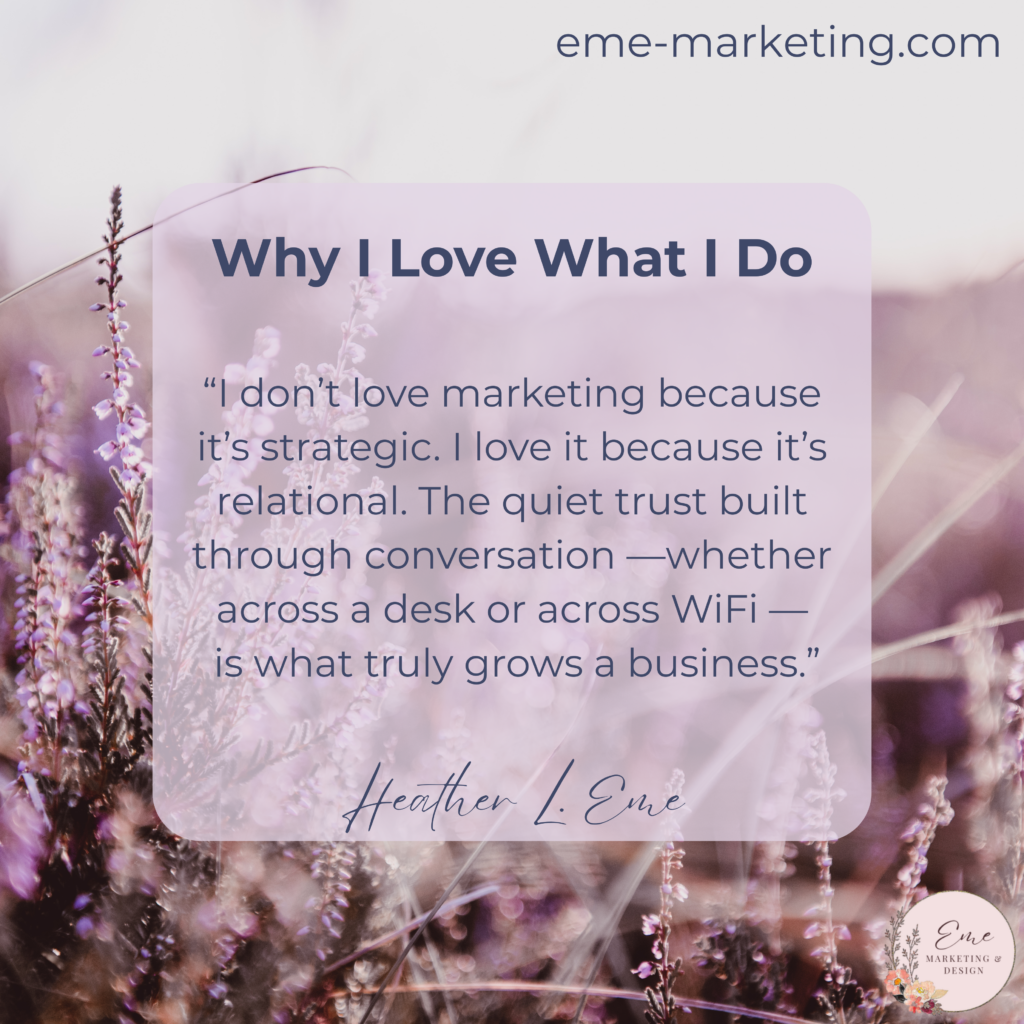
- The Kind of Marketing That Feels AuthenticI don’t love marketing because of platforms, reach or analytics dashboards. I love it because of the conversations. The quiet strategy calls. The “can I run this by you?” messages. The trust that builds slowly over time. One of the greatest lessons I’ve learned is that online relationships are not less meaningful than in-person ones. They’re simply happening in a different room. When marketing is rooted in guidance, presence and real conversation, it becomes more than strategy. It becomes relationship. And relationships — not trends — are what truly grow sustainable businesses.