
Estimated reading time: 4 minutes
Key Takeaways
- Podcasts are about connection, so use gratitude to strengthen listener relationships.
- Host a special episode to express thanks, feature grateful guests, and share listener appreciation.
- Incorporate a gratitude segment in every episode to create a brand ritual.
- Repurpose gratitude content into visuals for social media to expand your reach.
- Authentic gratitude fosters deeper emotional connections and builds brand loyalty.
Podcasts aren’t just about broadcasting — they’re about connection. This month, let your microphone become a megaphone for gratitude.
Gratitude-centered content helps listeners feel like they’re part of something bigger than just your business. It builds loyalty, deepens relationships, and makes your message memorable long after the episode ends.
Here’s your podcast gratitude game plan:
- Host a “Thankful Moments” episode. Dedicate a special episode to highlight what you’re grateful for — clients, lessons learned, or milestones hit. Include listener shoutouts or business partners you appreciate.
- Feature guests you’re thankful for. Invite collaborators, mentors, or even loyal clients to share stories of growth and gratitude. It’s authentic and naturally promotes everyone involved.
- Share listener love. Read positive reviews or listener messages on air and thank them personally. It turns casual followers into lifelong fans.
- Add a gratitude segment. Whether it’s a 2-minute reflection at the end of each episode or a fun “Gratitude Shoutout,” consistency turns it into a beloved brand ritual.
- Repurpose your episodes. Create short video or quote graphics from your gratitude content and post them on social — it boosts reach and spreads those thankful vibes everywhere.
Pro Tip: Gratitude podcasts perform better because they sound real. Listeners can tell when your appreciation is genuine. And that emotional connection? It’s the difference between a passive listener and an active supporter.
This November, let your voice reflect your values. When your audience hears gratitude, they feel seen — and that builds brand loyalty faster than any ad campaign ever could.
Ready to grow your podcast and your audience with heart, strategy, and authenticity? Let’s create marketing magic that amplifies your message far and wide. Schedule your consultation to get started with #EmeMarketingMagic today.
#EmeMarketing #EmeMarketingMagic #Entrepreneur #FemaleEntrepreneurs
Working with Heather Eme | Eme Marketing & Design

There’s a moment in almost every conversation where things shift. You start by telling me what you think you need. More posts. Better engagement. Maybe a little SEO sprinkled in for good measure. And then, somewhere between the “I should be doing more” and the “I don’t even know where to start,” we find the real thing that’s been holding everything together with duct tape and good intentions.
That’s where I come in.
Working with me isn’t about handing you a list of marketing tasks and sending you on your way. It’s about building a system that actually fits the way your brain works, your business runs and your life moves. Because if your marketing only works when you’re overwhelmed, it’s not a strategy. It’s a cycle.
I help you create structure without suffocating your creativity. We turn scattered ideas into repeatable systems. We make your content feel like you again. And we build a marketing foundation that supports growth without demanding burnout as the price of entry.
But more than that, I pay attention. I remember what you’re building toward, notice the shifts in your confidence before you say them out loud, and I care about the person behind the business just as much as the strategy behind the brand.
If you’ve been craving clarity, consistency and a plan that finally feels doable, this is your invitation.
Let’s grab a cup of coffee and talk through what’s working, what’s not and what your next step actually looks like.
Check Out These Additional Resources
- How to Use Hashtags Effectively on Every Social Media Platform in 2026
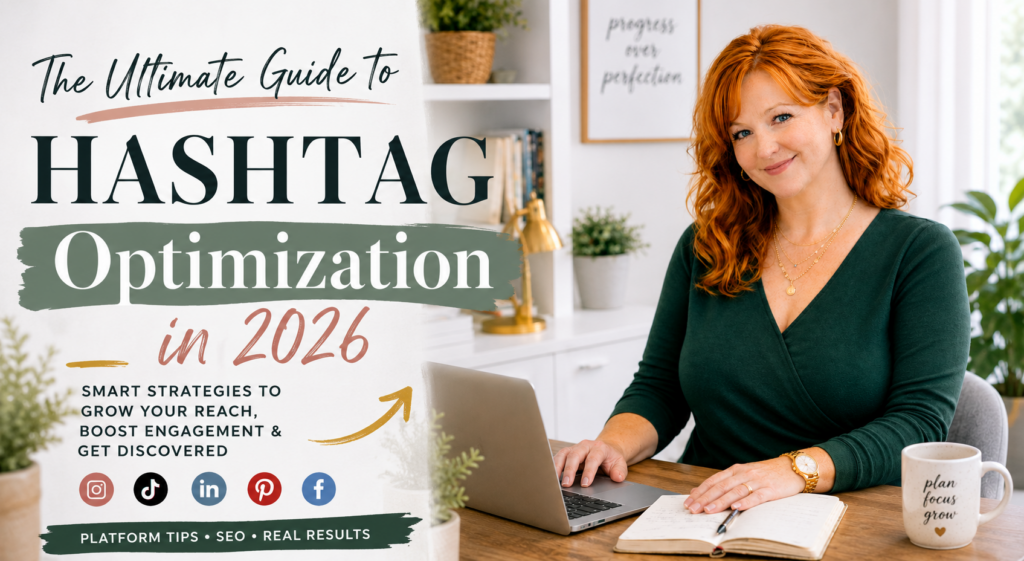
 Hashtags are no longer about stuffing captions with trending phrases and hoping for viral reach. In 2026, hashtags work best when they support searchability, audience targeting, and content relevance across platforms like Instagram, Threads, TikTok, LinkedIn, Pinterest, and Facebook. Each platform now uses hashtags differently, which means businesses need smarter, more intentional strategies. This blog breaks down how hashtags actually function today, what mistakes to avoid, and how to optimize your hashtag strategy for discoverability, engagement, SEO, and long-term growth. If your current hashtag strategy still feels stuck in 2020, this guide will help you modernize your approach and get better results.
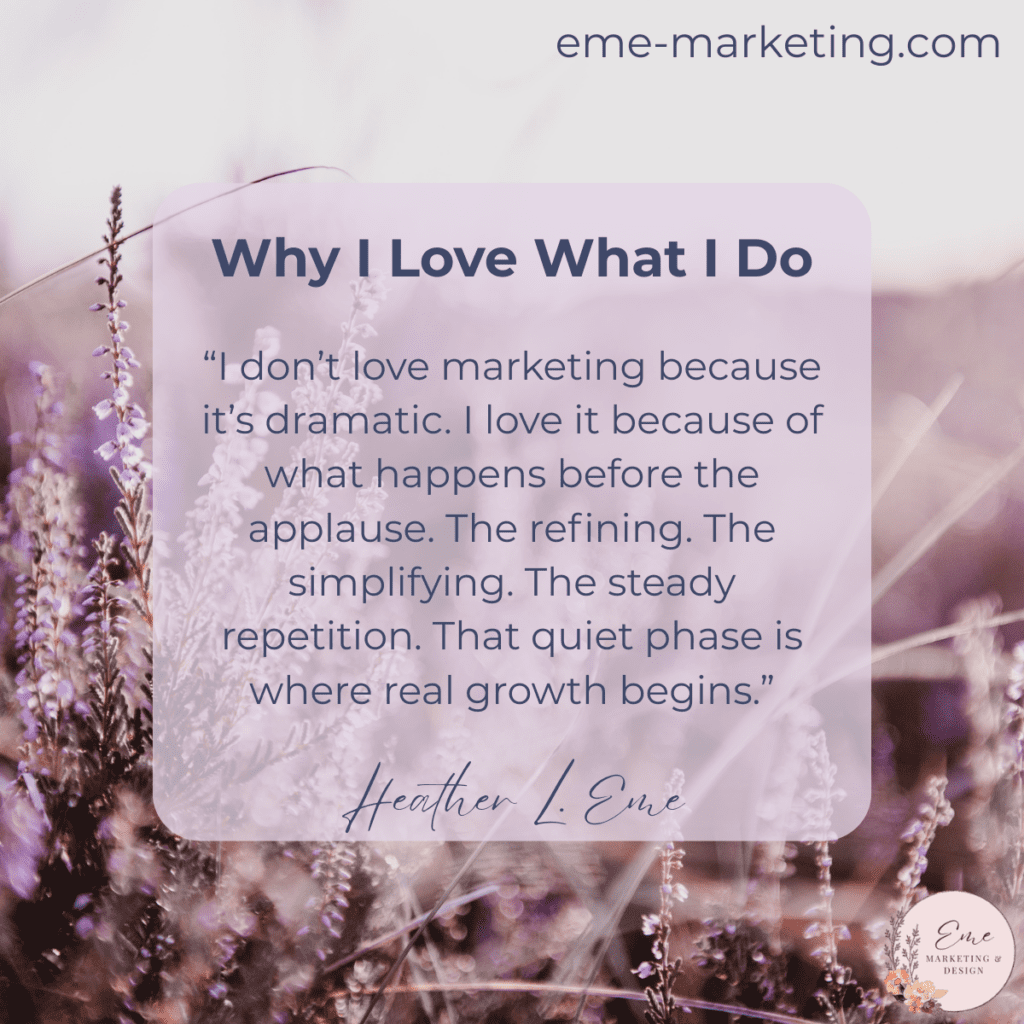
 - The Quiet Work No One SeesGrowth rarely begins with applause. It begins quietly. Before the visible results, there is alignment. Before the momentum, there is refinement. Much of meaningful business development happens behind the scenes through clarified messaging, simplified strategy, and steady repetition. Although those stages are not flashy, they are foundational. Sustainable growth is built in quieter seasons long before numbers rise publicly. Helping entrepreneurs stay grounded during that phase — when doubt is loud and progress feels invisible — is one of the most meaningful parts of my work. Because durable success is rarely dramatic at first. It is disciplined, aligned, and steady.
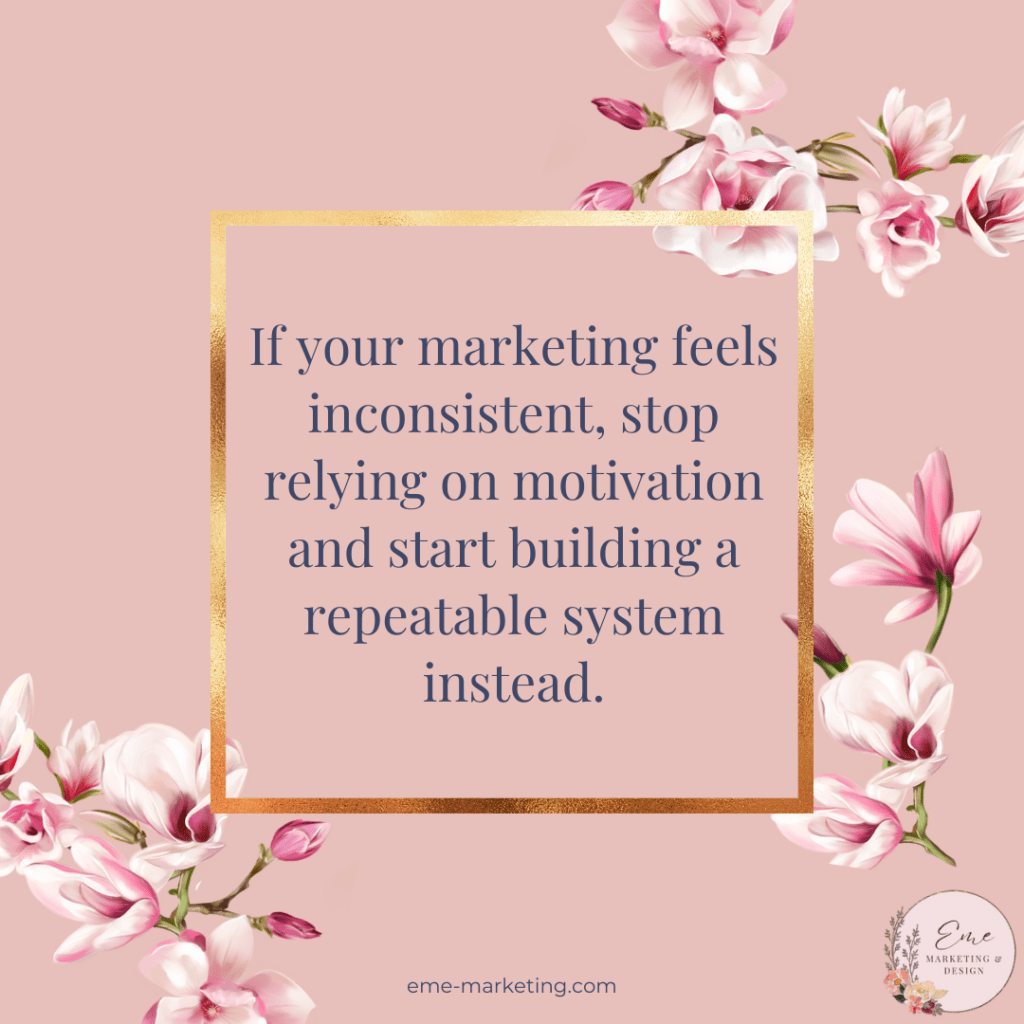
- Why Your Marketing Feels Inconsistent (and How to Fix It Without Burning Out)If your marketing feels inconsistent, scattered or dependent on your energy level each week, you are not alone. Many creative female entrepreneurs are not struggling because they lack ideas. They are struggling because they lack a repeatable system to support their visibility. In this daily marketing tip, learn why inconsistent marketing happens, how it affects trust and momentum, what to do to fix it and what to avoid if you want to stay visible without burning out. If your content rhythm feels chaotic lately, this blog will help you build a strategy that feels more organized, sustainable and supportive.
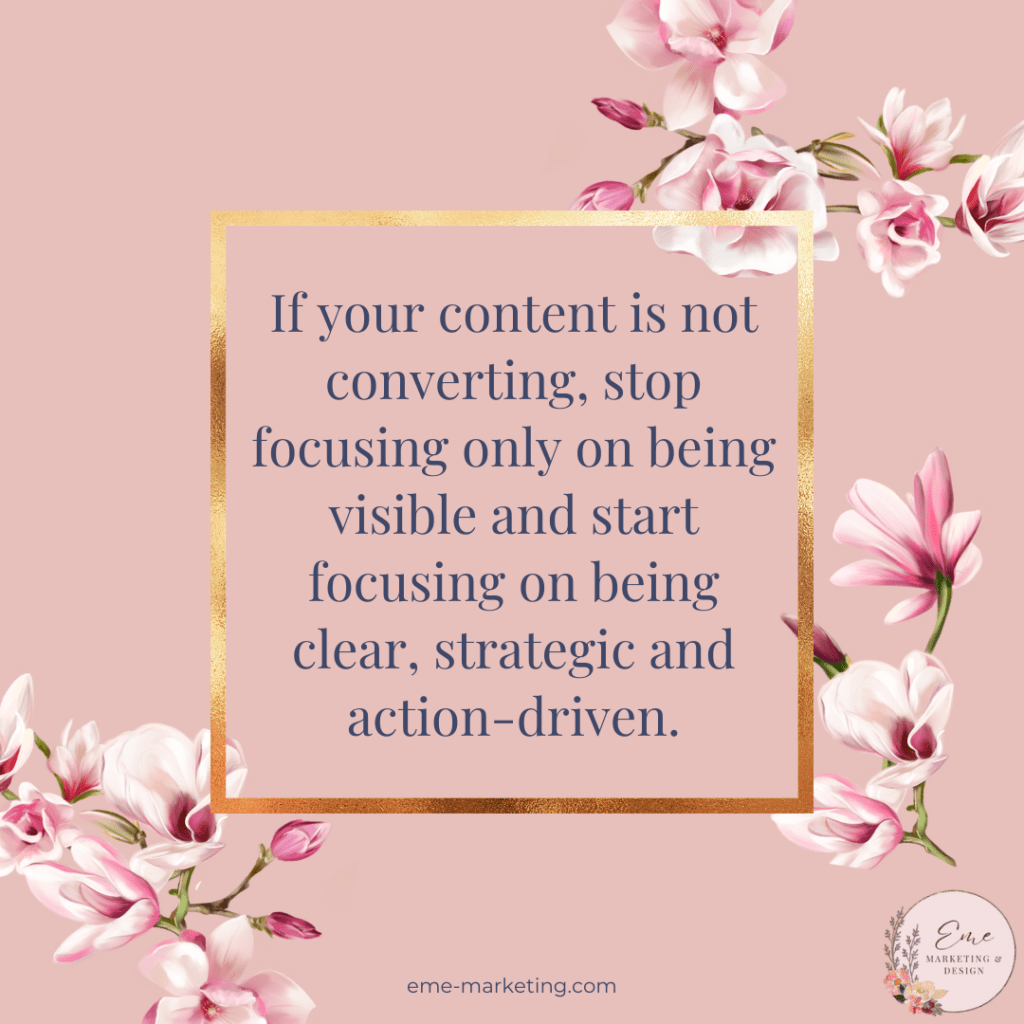
- Why Your Content Isn’t Converting (and What to Fix First)If your content looks good but isn’t bringing in inquiries, leads or real business growth, there’s a disconnect somewhere in your strategy. This daily marketing tip breaks down why your content may not be converting and what to fix first. Designed for creative female entrepreneurs, you’ll learn how to move from simply posting to creating content with purpose, clarity and direction. From identifying common mistakes to implementing practical changes, this guide helps you turn visibility into actual results. If your marketing feels inconsistent or unclear, this is your starting point to create content that finally works for your business.
- How to Build Consistency That Stands The Test of TimeMotivation is unreliable. Some weeks, ideas flow easily and showing up feels natural. Other weeks, energy dips and everything feels heavier. If your marketing strategy depends on constant inspiration, it will always feel fragile. Sustainable consistency isn’t built on emotion. It’s built on structure. When you know what you talk about, who you serve and where you’re showing up, momentum becomes manageable instead of overwhelming. You don’t need more pressure. You need a system that works on your normal days. Because businesses don’t grow from adrenaline. They grow from steady, intentional visibility.
- How to Use Mailchimp in 2026 to Build an Email Marketing System That Grows Your BusinessEmail marketing isn’t outdated in 2026. It’s one of the few tools you actually own. Mailchimp helps you turn scattered marketing into a system that works consistently behind the scenes. From simple sign-up forms to automated welcome sequences and smart segmentation, it allows you to build real connections without feeling overwhelmed. This blog walks through how to use Mailchimp in a practical, sustainable way, using Erin Emerson as a real-world example. If your marketing feels inconsistent or exhausting, this approach helps you create something steady, intentional, and built for long-term growth instead of short-term visibility.
- Your Audience Doesn’t Owe You EngagementEngagement on social media is not something your audience owes you. It is something that grows through relevance, familiarity and trust. When posts underperform, it can feel personal, especially for small business owners who invest time and vulnerability into their content. Shifting from expectation to intention changes the experience. Instead of focusing on what should perform, focus on what serves. People engage when they feel understood and when your message aligns with what they are already navigating. Connection strengthens when it is invited rather than demanded. Sustainable marketing depends less on urgency and more on understanding your audience consistently.
- The Kind of Marketing That Feels AuthenticI don’t love marketing because of platforms, reach or analytics dashboards. I love it because of the conversations. The quiet strategy calls. The “can I run this by you?” messages. The trust that builds slowly over time. One of the greatest lessons I’ve learned is that online relationships are not less meaningful than in-person ones. They’re simply happening in a different room. When marketing is rooted in guidance, presence and real conversation, it becomes more than strategy. It becomes relationship. And relationships — not trends — are what truly grow sustainable businesses.