
Estimated reading time: 3 minutes
Key Takeaways
- Grateful Content connects with audiences, enhancing SEO by creating heartfelt, human-centered content.
- Adding outbound links boosts relevance and credibility while improving digital relationships.
- Show genuine gratitude through shoutouts, which can lead to organic backlinks and increased authority.
- Small updates like schema for reviews and refreshing alt text can enhance accessibility and search visibility.
- Gratitude builds trust and engagement, leaving a lasting impact on brand loyalty and search engine rankings.
SEO loves fresh, heartfelt content — and gratitude gives it life. When your content feels human, search engines and real people both pay attention. One simple way to do this is by writing a blog that thanks your favorite business tools, collaborators or partners. Not only does this create meaningful content, it naturally encourages authenticity, storytelling and connection.
As you write, look for opportunities to add outbound links to the tools, platforms or people you’re highlighting. These links signal relevance and credibility while also strengthening your digital relationships. Then, take a moment to refresh your meta descriptions. Swap stiff, keyword-stuffed language for emotional, human-centered words like “support,” “community,” “collaboration” and “appreciation.” These terms resonate with readers and increase click-through rates because they speak to real experiences, not algorithms.
Gratitude can also work quietly in your backlink strategy. When you give genuine shoutouts to other brands or partners, they’re far more likely to notice, share or link back. Those organic backlinks build authority in a way that feels natural and relationship-driven. And yes, Google notices these signals too — even if it doesn’t send a thank-you card.
You can go a step further by adding schema to testimonials and reviews, refreshing alt text with descriptive and seasonal language, and updating older content to reflect current moments of gratitude or reflection. Small updates like these improve accessibility, relevance and search visibility without requiring a full content overhaul.
Gratitude may not show up as a metric inside your analytics dashboard, but its impact appears everywhere else — in trust, engagement, visibility and brand loyalty. People remember how your content made them feel, and search engines reward content that connects.
✨ Let’s rank high and radiate warmth with #EmeMarketingMagic. Schedule your consultation and get started today.
Check Out These Additional Resources
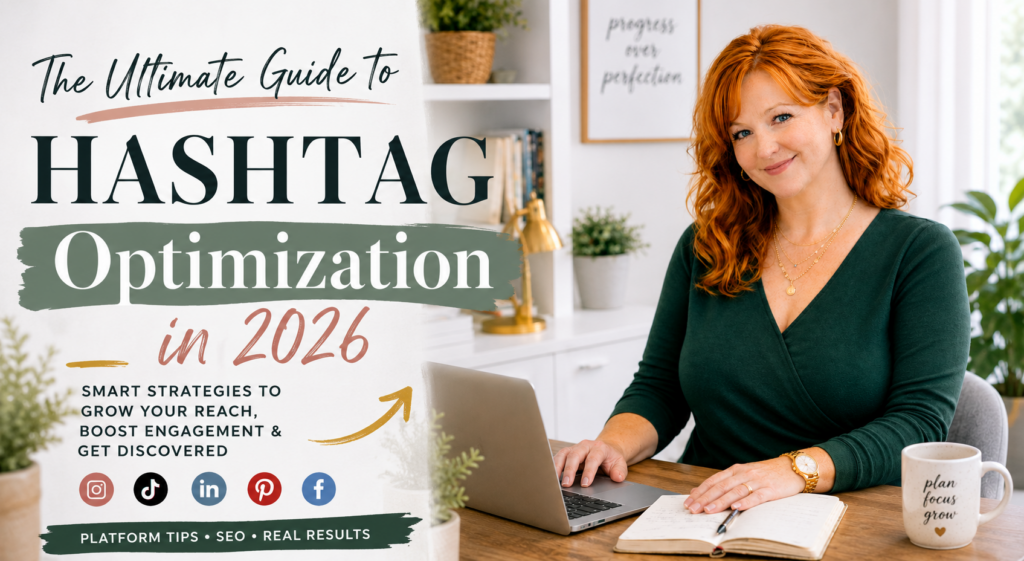
- How to Use Hashtags Effectively on Every Social Media Platform in 2026
 Hashtags are no longer about stuffing captions with trending phrases and hoping for viral reach. In 2026, hashtags work best when they support searchability, audience targeting, and content relevance across platforms like Instagram, Threads, TikTok, LinkedIn, Pinterest, and Facebook. Each platform now uses hashtags differently, which means businesses need smarter, more intentional strategies. This blog breaks down how hashtags actually function today, what mistakes to avoid, and how to optimize your hashtag strategy for discoverability, engagement, SEO, and long-term growth. If your current hashtag strategy still feels stuck in 2020, this guide will help you modernize your approach and get better results.
 - The Quiet Work No One SeesGrowth rarely begins with applause. It begins quietly. Before the visible results, there is alignment. Before the momentum, there is refinement. Much of meaningful business development happens behind the scenes through clarified messaging, simplified strategy, and steady repetition. Although those stages are not flashy, they are foundational. Sustainable growth is built in quieter seasons long before numbers rise publicly. Helping entrepreneurs stay grounded during that phase — when doubt is loud and progress feels invisible — is one of the most meaningful parts of my work. Because durable success is rarely dramatic at first. It is disciplined, aligned, and steady.
- Why Your Marketing Feels Inconsistent (and How to Fix It Without Burning Out)If your marketing feels inconsistent, scattered or dependent on your energy level each week, you are not alone. Many creative female entrepreneurs are not struggling because they lack ideas. They are struggling because they lack a repeatable system to support their visibility. In this daily marketing tip, learn why inconsistent marketing happens, how it affects trust and momentum, what to do to fix it and what to avoid if you want to stay visible without burning out. If your content rhythm feels chaotic lately, this blog will help you build a strategy that feels more organized, sustainable and supportive.
- Why Your Content Isn’t Converting (and What to Fix First)If your content looks good but isn’t bringing in inquiries, leads or real business growth, there’s a disconnect somewhere in your strategy. This daily marketing tip breaks down why your content may not be converting and what to fix first. Designed for creative female entrepreneurs, you’ll learn how to move from simply posting to creating content with purpose, clarity and direction. From identifying common mistakes to implementing practical changes, this guide helps you turn visibility into actual results. If your marketing feels inconsistent or unclear, this is your starting point to create content that finally works for your business.
- How to Build Consistency That Stands The Test of TimeMotivation is unreliable. Some weeks, ideas flow easily and showing up feels natural. Other weeks, energy dips and everything feels heavier. If your marketing strategy depends on constant inspiration, it will always feel fragile. Sustainable consistency isn’t built on emotion. It’s built on structure. When you know what you talk about, who you serve and where you’re showing up, momentum becomes manageable instead of overwhelming. You don’t need more pressure. You need a system that works on your normal days. Because businesses don’t grow from adrenaline. They grow from steady, intentional visibility.