
Estimated reading time: 4 minutes
Key Takeaways
- A website refresh is crucial before 2026, focusing on clarity, alignment with brand growth, and boosting conversions.
- Review your homepage, service pages, and About page for clear messaging and updated offers, using fresh testimonials.
- Improve user experience by simplifying navigation, removing clutter, and enhancing buttons for better visibility.
- Update blog content, images, and on-page SEO to keep your site relevant and improve Google rankings.
- Eme Marketing offers support for refreshing your website messaging and UX to ensure you’re ready for 2026.
Table of contents
Your website is the home base of your business — the place where first impressions form, where clarity matters and where conversions happen. As we move into 2026, refreshing your website copy and content is one of the smartest things you can do to strengthen your brand, increase conversions and guide visitors more intentionally.
A website that speaks clearly, flows beautifully and reflects your brand’s growth positions you for a successful new year. Here are five steps to update your website effectively before 2026 arrives.
Review Your Homepage for Clarity and Conversion
Your homepage should instantly tell visitors who you help, how you help them and what they should do next. Review your headline, subheadline and call-to-action buttons to ensure they’re clear and benefit-focused.
Remove outdated information and refine any sections that feel cluttered. Your homepage should feel clean, intuitive and aligned with your 2026 direction.
Audit Your Service Pages for Updated Offers and Clear Messaging
Service pages often become outdated without you noticing. Review each offer to ensure it reflects your current pricing, features, processes and outcomes. Update your copy so it speaks directly to your ideal client’s needs and desired results.
Add fresh testimonials, examples or case studies to improve trust and credibility. Strong service pages convert curious visitors into confident buyers.
Update Your About Page With a Stronger Brand Story
Your About page should feel human, relatable and aligned with your mission. Refresh your story to reflect your 2026 growth — what you’ve learned, who you serve and the transformation you help create.
Shift the focus from “me” to “you,” speaking directly to the visitor. This creates emotional connection and positions you as the guide they’ve been searching for.Improve User Experience With Better Navigation and Layout
UX impacts conversions more than design alone. Review your navigation bar, internal links and page layout to ensure your website feels effortless to move through.
Remove unnecessary pages, simplify menus and ensure buttons stand out visually. When your site is easy to use, people stay longer — and convert more often.
Refresh Your Blog, Photos and On-Page SEO
Update older blog posts with fresh examples, internal links and keywords. Replace outdated images with higher-quality brand photos. Check your headers, title tags and meta descriptions for alignment with your 2026 strategy.
A content refresh helps your website stay relevant and tells Google your site is active — both important for improved rankings.
Final Thoughts
Your website is your digital first impression — and when it’s clear, intentional and aligned, it instantly elevates your entire brand. A strategic refresh of your homepage, services, About page and SEO ensures your business enters 2026 with momentum. Your content becomes more compelling, your experience becomes smoother and your visitors feel guided instead of confused.
Working with Heather Eme & Eme Marketing & Design
You do not need to have everything perfectly mapped out before asking for help. Most business owners don’t. They just know something needs to work better.
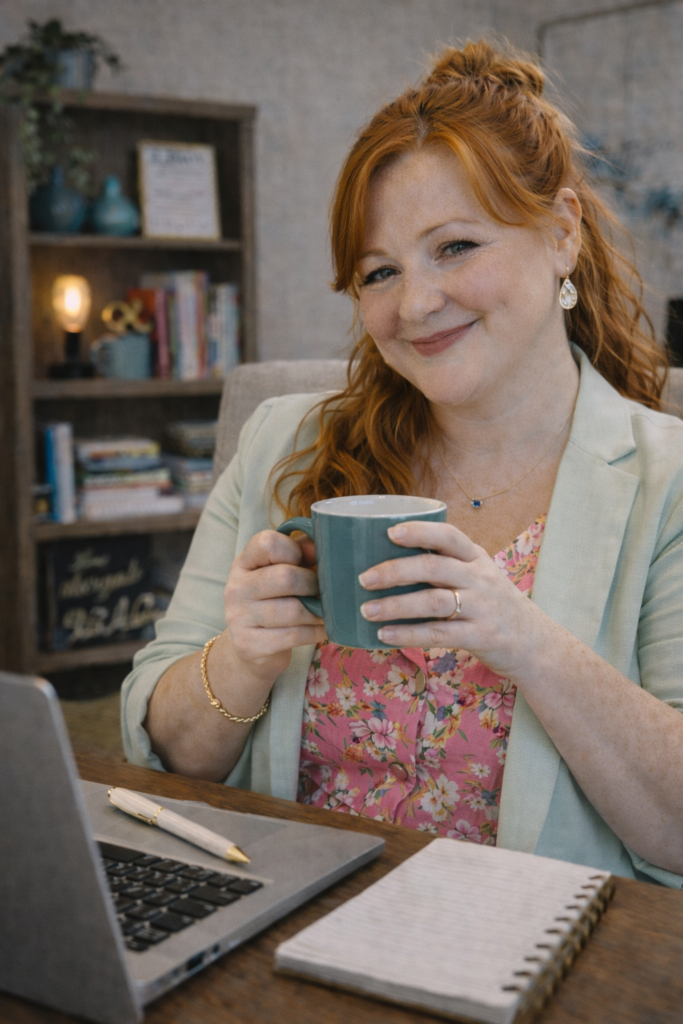
That’s where Heather Eme and Eme Marketing & Design come in.
Heather combines experience, creativity and real-world strategy to help business owners market with more confidence and less chaos. Whether you feel stuck, inconsistent, invisible or stretched too thin, there is a better way forward.
This is about creating marketing that feels sustainable, aligned and effective — not exhausting.
If you’re ready for support that meets you where you are, let’s start the conversation.
Additional Resources
- How to Use Hashtags Effectively on Every Social Media Platform in 2026
 Hashtags are no longer about stuffing captions with trending phrases and hoping for viral reach. In 2026, hashtags work best when they support searchability, audience targeting, and content relevance across platforms like Instagram, Threads, TikTok, LinkedIn, Pinterest, and Facebook. Each platform now uses hashtags differently, which means businesses need smarter, more intentional strategies. This blog breaks down how hashtags actually function today, what mistakes to avoid, and how to optimize your hashtag strategy for discoverability, engagement, SEO, and long-term growth. If your current hashtag strategy still feels stuck in 2020, this guide will help you modernize your approach and get better results.
 - The Quiet Work No One SeesGrowth rarely begins with applause. It begins quietly. Before the visible results, there is alignment. Before the momentum, there is refinement. Much of meaningful business development happens behind the scenes through clarified messaging, simplified strategy, and steady repetition. Although those stages are not flashy, they are foundational. Sustainable growth is built in quieter seasons long before numbers rise publicly. Helping entrepreneurs stay grounded during that phase — when doubt is loud and progress feels invisible — is one of the most meaningful parts of my work. Because durable success is rarely dramatic at first. It is disciplined, aligned, and steady.
- Why Your Marketing Feels Inconsistent (and How to Fix It Without Burning Out)If your marketing feels inconsistent, scattered or dependent on your energy level each week, you are not alone. Many creative female entrepreneurs are not struggling because they lack ideas. They are struggling because they lack a repeatable system to support their visibility. In this daily marketing tip, learn why inconsistent marketing happens, how it affects trust and momentum, what to do to fix it and what to avoid if you want to stay visible without burning out. If your content rhythm feels chaotic lately, this blog will help you build a strategy that feels more organized, sustainable and supportive.
- Why Your Content Isn’t Converting (and What to Fix First)If your content looks good but isn’t bringing in inquiries, leads or real business growth, there’s a disconnect somewhere in your strategy. This daily marketing tip breaks down why your content may not be converting and what to fix first. Designed for creative female entrepreneurs, you’ll learn how to move from simply posting to creating content with purpose, clarity and direction. From identifying common mistakes to implementing practical changes, this guide helps you turn visibility into actual results. If your marketing feels inconsistent or unclear, this is your starting point to create content that finally works for your business.
- How to Build Consistency That Stands The Test of TimeMotivation is unreliable. Some weeks, ideas flow easily and showing up feels natural. Other weeks, energy dips and everything feels heavier. If your marketing strategy depends on constant inspiration, it will always feel fragile. Sustainable consistency isn’t built on emotion. It’s built on structure. When you know what you talk about, who you serve and where you’re showing up, momentum becomes manageable instead of overwhelming. You don’t need more pressure. You need a system that works on your normal days. Because businesses don’t grow from adrenaline. They grow from steady, intentional visibility.
- How to Use Mailchimp in 2026 to Build an Email Marketing System That Grows Your BusinessEmail marketing isn’t outdated in 2026. It’s one of the few tools you actually own. Mailchimp helps you turn scattered marketing into a system that works consistently behind the scenes. From simple sign-up forms to automated welcome sequences and smart segmentation, it allows you to build real connections without feeling overwhelmed. This blog walks through how to use Mailchimp in a practical, sustainable way, using Erin Emerson as a real-world example. If your marketing feels inconsistent or exhausting, this approach helps you create something steady, intentional, and built for long-term growth instead of short-term visibility.
- Your Audience Doesn’t Owe You EngagementEngagement on social media is not something your audience owes you. It is something that grows through relevance, familiarity and trust. When posts underperform, it can feel personal, especially for small business owners who invest time and vulnerability into their content. Shifting from expectation to intention changes the experience. Instead of focusing on what should perform, focus on what serves. People engage when they feel understood and when your message aligns with what they are already navigating. Connection strengthens when it is invited rather than demanded. Sustainable marketing depends less on urgency and more on understanding your audience consistently.
- The Kind of Marketing That Feels AuthenticI don’t love marketing because of platforms, reach or analytics dashboards. I love it because of the conversations. The quiet strategy calls. The “can I run this by you?” messages. The trust that builds slowly over time. One of the greatest lessons I’ve learned is that online relationships are not less meaningful than in-person ones. They’re simply happening in a different room. When marketing is rooted in guidance, presence and real conversation, it becomes more than strategy. It becomes relationship. And relationships — not trends — are what truly grow sustainable businesses.