
Estimated reading time: 12 minutes
Key Takeaways
- Transform your blog into a profitable ebook by organizing and packaging existing content strategically.
- Choose a focused ebook theme that sells, ensuring it promises a clear transformation for your audience.
- Revise and expand blog posts into cohesive, high-value ebook chapters with engaging elements like worksheets and checklists.
- Edit the ebook professionally for clarity and flow, then format it to enhance its perceived value.
- Promote your ebook using your blog and social media, while building an email funnel for ongoing sales.

Table of contents
- 1. Choose a Focused Ebook Theme That Sells
- 2. Audit Your Blog Content to Find the Best Material
- 3. Create an Ebook Outline That Flows (Not Just a Blog Post Dump)
- 4. Revise and Expand Your Blog Posts Into Book-Ready Chapters
- 5. Add Original Elements to Make Your Ebook Feel Premium
- 6. Edit Your Ebook Like a Professional Author
- 7. Format Your Ebook So It Looks Like a Digital Product (Not a PDF Dump)
- 8. Price Your Ebook for Profit (Not Pennies)
- 9. Choose Where You’ll Sell Your Ebook
- 10. Use Your Existing Blog to Promote Your Ebook
- 11. Build an Email Funnel That Sells Your Ebook on Autopilot
- 12. Promote Your Ebook Across Social Media
- 13. Repurpose Your Ebook Into More Paid Offers
Your blog is more than a collection of posts — it’s a foundation for your next profitable digital product. Most female entrepreneurs don’t realize they’ve been building an ebook quietly in the background every time they hit publish. But when you organize your content strategically, strengthen it, and package it intentionally, it transforms into something that not only builds authority but also earns income on autopilot. This guide walks you through how to turn your blog archive into a polished, high-value ebook that your audience will love. And the best part? You already have everything you need to begin.
1. Choose a Focused Ebook Theme That Sells
Too many entrepreneurs try to force every topic they’ve ever written about into one ebook, and that’s exactly why the finished product feels messy, overwhelming, or unfocused. A profitable ebook needs a clear subject — one that promises a transformation your audience understands instantly. When you choose a strong theme, you attract the right readers and make your marketing easier. Think of your ebook as a guided journey from Point A to Point B, not an encyclopedia. Readers buy solutions, and your theme should deliver one specific result they’re excited about.
Example
Sarah, a wellness coach, had 42 blog posts on everything from smoothie recipes to anxiety management. Instead of creating a giant catch-all ebook, she chose a theme: 7 Steps to Reduce Stress Naturally. Using eight blog posts, reframing her content, and adding worksheets, she created a high-demand ebook that now earns her $600+ a month.
Action Items
- Look at your blog categories and choose the topic your audience engages with most.
- Identify the top 5–12 blog posts that naturally fit your ebook theme.
Write a single-sentence promise: “This ebook will help entrepreneurs ________.” - Validate your idea with your audience through emails, polls, and stories.
2. Audit Your Blog Content to Find the Best Material
Before you outline your ebook, you need a clear understanding of what content you actually have. Most entrepreneurs underestimate just how much they’ve already written and assume creating an ebook requires starting from scratch. But when you gather your existing content in one place, you’ll quickly see patterns, themes, and ready-made chapters. This process also helps you identify which posts are strong enough to include and which ones need refreshing. Consider this the “content treasure hunt” part of the project.
Example
Maria, a social media strategist, exported her WordPress posts and discovered she had over 18,000 words on Instagram marketing alone. She thought she’d need months to write an ebook, but most of the heavy lifting was already done — she just needed to reorganize it.
Action Items
- Export or copy/paste your blog posts into a single Google Doc.
- Create a spreadsheet with: post title, word count, main points, engagement.
- Highlight your strongest educational posts and eliminate outdated content.
Identify gaps where additional sections or explanations may be needed.
3. Create an Ebook Outline That Flows (Not Just a Blog Post Dump)
Your blog posts were created independently, so you’ll need to structure them so they read like a cohesive book. A solid outline turns disconnected posts into a compelling story that guides your reader step-by-step. Instead of simply pasting blog posts together, think about the journey you want readers to experience. This outline stage is where you shape the heartbeat of your ebook — the transformation it offers. Take your time here, because a polished outline makes the rest of the process smooth and efficient.
Example
Kim, a branding mentor, had six individual posts about visual identity. When she restructured them into a clear flow — from defining branding to implementing it consistently — her content finally felt like a beginning-to-end system.
Action Items
- Decide on 3–8 core chapters for your ebook.
- Break each chapter into smaller lessons or subtopics.
- Place each blog post where it naturally fits in the outline.
- Add new sections to fill gaps and create smoother transitions.
4. Revise and Expand Your Blog Posts Into Book-Ready Chapters
Blog posts are written for quick consumption, but ebook chapters require depth, clarity, and seamless flow. You’ll want to revise the content so it reads like a cohesive, professional resource rather than a collection of disconnected articles. This is your opportunity to add richer examples, case studies, transitions, and new insights that weren’t included in the original post. Expansion also increases the ebook’s value perception. Think of it as elevating your blog content into something more polished and lasting.
Example
Lena, a VA coach, expanded her blog post on setting boundaries with clients into a full chapter. She added scripts, real-world examples, worksheets, and a step-by-step framework — suddenly it felt like a premium coaching resource.
Action Items
- Strengthen transitions between ideas to create flow.
- Remove references like “in last week’s post” that don’t fit a book.
- Add stories, examples, or case studies to enrich the content.
- Include action steps or exercises at the end of each chapter.
5. Add Original Elements to Make Your Ebook Feel Premium
Even though you’re repurposing existing content, your ebook should still feel fresh and valuable. Adding new elements elevates the user experience and increases what you can charge. Premium doesn’t mean more pages — it means more interactive and supportive content that helps your reader implement what you teach. Extras like checklists, templates, examples, and resource lists transform your ebook into a toolkit rather than just a reading experience. These added details signal that this is more than a collection of blog posts — it’s a professional guide.
Example
A real estate coach added worksheets and a 12-month planning calendar to her ebook. These bonuses increased perceived value and doubled her conversion rate compared to her first edition.
Action Items
Choose at least 2–3 of the following:
- Worksheets
- Checklists
- Templates
- Resource lists
- Bonus mini-lessons
- Diagrams or illustrations
6. Edit Your Ebook Like a Professional Author
Editing is where your content levels up from “blog collection” to “book-quality.” It’s not just about fixing typos — it’s about refining flow, removing repetition, aligning tone, and strengthening clarity. This step makes the content feel polished, well thought-out, and worth paying for. You’ll also want to ensure your voice remains consistent throughout, especially if your blog posts were written months or years apart. A strong edit builds trust with your readers and keeps them engaged from cover to conclusion.
Example
A photographer turned 10 blog posts into a draft but found it repetitive and choppy. After editing for clarity and flow, her ebook was described by readers as “clean,” “easy to follow,” and “packed with value.”
Action Items
- Do a first pass for clarity and organization.
- Do a second pass for grammar, tone, and readability.
- Use editing tools like Grammarly or ProWritingAid.
- Ask a peer or hire a professional editor for final polishing.
7. Format Your Ebook So It Looks Like a Digital Product (Not a PDF Dump)
Design plays a huge role in how your ebook is perceived. A beautifully formatted ebook feels more premium, more credible and more worth the price. Readers judge your expertise not just by what you say but by how your content looks. That means consistent fonts, colors, spacing, and visual hierarchy. If you’re targeting female entrepreneurs, design matters even more — they appreciate aesthetics that feel stylish, intentional, and brand aligned.
Example
A fitness coach saw slow sales at first because her ebook looked like a plain document. After redesigning with brand templates and visual enhancements, her conversion rate tripled.
Action Items
- Use Canva, InDesign, or a branded template.
- Keep fonts and colors consistent with your brand.
- Use headers, spacing, icons, and graphics to guide the reader.
- Export as both a PDF (your website) and EPUB (Amazon).
8. Price Your Ebook for Profit (Not Pennies)
Many women entrepreneurs underprice digital products because they fear charging too much. But a great ebook delivers transformation, and transformation is valuable. You want a price that reflects both the quality of the content and the depth of the guidance you provide. Pricing too low can make your ebook look less credible or too simple. Pricing fairly positions it as a legitimate resource that your audience takes seriously.
Example
A skincare blogger priced her 65-page ebook at $12 and saw limited sales. After raising the price to $24 and including new bonuses, her monthly sales more than doubled.
Action Items
- 20–40 pages: $9–$19
- 50–90 pages: $19–$37
- 100+ pages: $27–$47
- Add 20–30% for bonuses, templates, or worksheets.
9. Choose Where You’ll Sell Your Ebook
Your platform matters because it affects visibility, profit margins, and how you interact with your customers. Selling on your own website gives you full control, but selling on marketplaces gives you built-in audiences. There’s no single “best” platform — it depends on your goals. Think of platforms as team members, each playing different roles. You can even use multiple platforms strategically to maximize your reach and revenue.
Example
A mindset coach listed her ebook on Etsy to reach new audiences and offered a higher-priced version on her website. Etsy brought her traffic while her website delivered higher profit — a perfect combo.
Action Items
- Choose your primary platform: website, Amazon, Etsy, Gumroad.
- Create a compelling landing page with previews and benefits.
- Include testimonials, mockups, and clear CTAs.
- Consider using multiple platforms for wider reach.
10. Use Your Existing Blog to Promote Your Ebook
Your blog becomes a built-in marketing channel once your ebook is complete. Each relevant post can act as a lead directly to your product. Adding ebook promos to your high-traffic posts is one of the easiest ways to generate ongoing sales. You’re simply guiding readers from free content to the paid upgrade that gives them more depth. This strategy is one of the most effective ways to earn passive income from your existing audience.
Example
A Pinterest strategist added an ebook call-to-action banner to the top of five popular posts. Those five posts now account for 70% of her monthly ebook sales.
Action Items
- Add a promo box or banner to relevant blog posts.
- Create mid-post CTAs offering a chapter preview.
- Add end-of-post call-outs linking to your ebook.
- Use exit-intent popups offering a discount or bonus.
11. Build an Email Funnel That Sells Your Ebook on Autopilot
Selling an ebook isn’t just about launch week — it’s about evergreen sales. A nurturing email sequence builds trust, highlights your expertise, and introduces your ebook naturally. When done well, your email funnel becomes a quiet salesperson working behind the scenes. Readers get value, connection, and clarity on why your ebook is the next logical step. Automation turns your one-time effort into ongoing income.
Example
Jenna, an Etsy coach, created a 5-email sequence that slowly built toward showcasing her ebook as the solution her audience needed. The result? Consistent passive income.
Action Items
- Create a lead magnet that directly relates to your ebook.
- Build a 5-part email sequence covering:
- Value
- Connection
- Problem
- Preview
- Offer
- Link your ebook in monthly newsletters.
12. Promote Your Ebook Across Social Media
Your ebook deserves a spot in your social strategy. Social media is the fastest way to increase visibility, build hype, and showcase your expertise. When you show behind-the-scenes moments, share small excerpts, and highlight reader transformations, your audience becomes curious. Curiosity fuels clicks — and clicks fuel sales. Promotion shouldn’t feel salesy; it should feel like an invitation.
Example
A bookkeeping coach created a launch week campaign with Reels, posts, Facebook Lives, and Pinterest pins — and she brought in over $3,000 in the first 60 days.
Action Items
- Create teaser posts, countdowns, and behind-the-scenes previews.
- Share before-and-after results from using your tips.
- Post testimonial graphics.
- Create a Reel showcasing your ebook mockup and benefits.
13. Repurpose Your Ebook Into More Paid Offers
Your ebook isn’t the end — it’s the beginning of a product suite. Once you organize your ideas into a structured book, you’ll see naturally emerging opportunities for more in-depth or hands-on offers. Workshops, courses, coaching, challenges — your ebook can become the foundation for all of them. Repurposing multiplies your revenue without multiplying your workload. Every chapter becomes a new doorway.
Example
A business coach turned her ebook into a webinar, then a workshop, then a signature course — all stemming from the same outline.
Action Items
- Turn each chapter into a lesson or training module.
- Create a workbook version as an upsell.
- Turn your ebook into a paid email challenge.
- Offer a 1:1 session upgrade inside the ebook.
Final Thoughts
Your blog already contains the ideas, stories, and strategies your audience loves — now you can elevate that content into something profitable and lasting. With thoughtful structure, stronger examples, beautiful formatting, and a smart marketing plan, your ebook becomes more than a digital product. It becomes a pathway to authority, consistent sales, and deeper impact. You don’t need a publisher or a massive following; you just need the right strategy and willingness to repurpose what you’ve already created.
Working with Heather Eme & Eme Marketing & Design

Marketing should never feel like one more thing quietly draining the life out of your business.
When you work with Heather Eme and Eme Marketing & Design, you’re not just getting ideas thrown at you and a generic plan slapped together. You’re getting thoughtful strategy, honest guidance, creative support and someone who genuinely cares about helping your business grow in a way that actually fits you.
That means building systems that make your marketing feel clearer, more manageable and a whole lot less overwhelming. It means creating content with purpose, strengthening your brand voice and helping you show up online in a way that feels natural instead of forced.
More than anything, this work is personal here.
Because behind every business is a real person trying to build something meaningful — and that matters.
Whether you need help organizing your marketing, creating stronger content, improving your online presence or finally turning all those ideas into something that works in real life, Heather brings years of experience, strategy and heart into the process.
If you’ve been craving marketing support that feels smarter, more grounded and a lot more human, you’re in the right place.
Want to chat about what that could look like for your business?
Grab a coffee, bring the messy ideas and let’s talk about what’s possible.
Some sections of this content were drafted with the help of AI and reviewed by our team
Check Out These Additional Resources
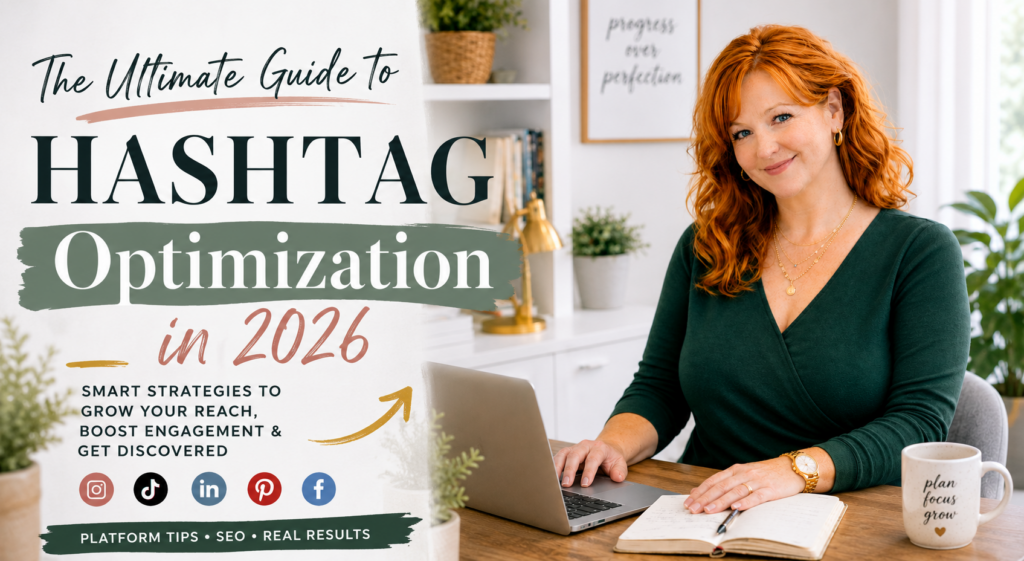
- How to Use Hashtags Effectively on Every Social Media Platform in 2026
 Hashtags are no longer about stuffing captions with trending phrases and hoping for viral reach. In 2026, hashtags work best when they support searchability, audience targeting, and content relevance across platforms like Instagram, Threads, TikTok, LinkedIn, Pinterest, and Facebook. Each platform now uses hashtags differently, which means businesses need smarter, more intentional strategies. This blog breaks down how hashtags actually function today, what mistakes to avoid, and how to optimize your hashtag strategy for discoverability, engagement, SEO, and long-term growth. If your current hashtag strategy still feels stuck in 2020, this guide will help you modernize your approach and get better results.
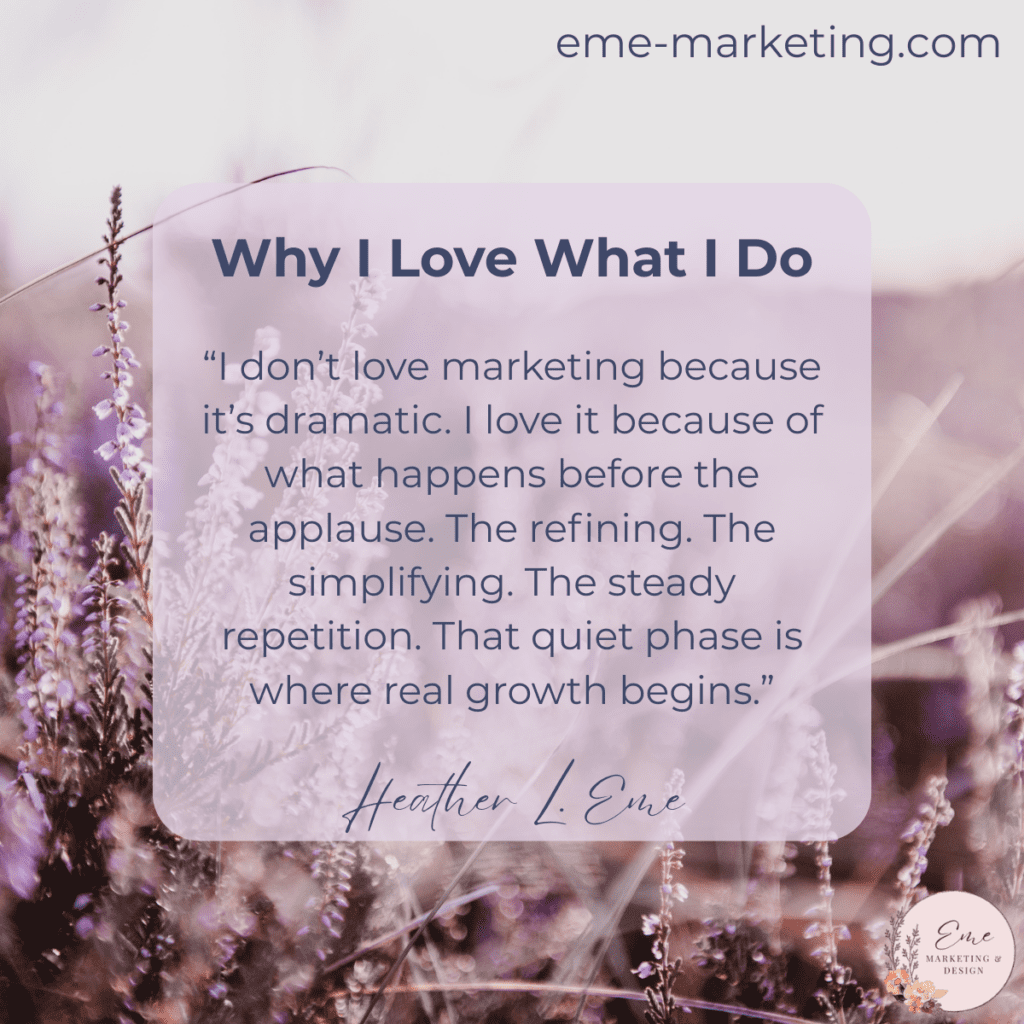
 - The Quiet Work No One SeesGrowth rarely begins with applause. It begins quietly. Before the visible results, there is alignment. Before the momentum, there is refinement. Much of meaningful business development happens behind the scenes through clarified messaging, simplified strategy, and steady repetition. Although those stages are not flashy, they are foundational. Sustainable growth is built in quieter seasons long before numbers rise publicly. Helping entrepreneurs stay grounded during that phase — when doubt is loud and progress feels invisible — is one of the most meaningful parts of my work. Because durable success is rarely dramatic at first. It is disciplined, aligned, and steady.
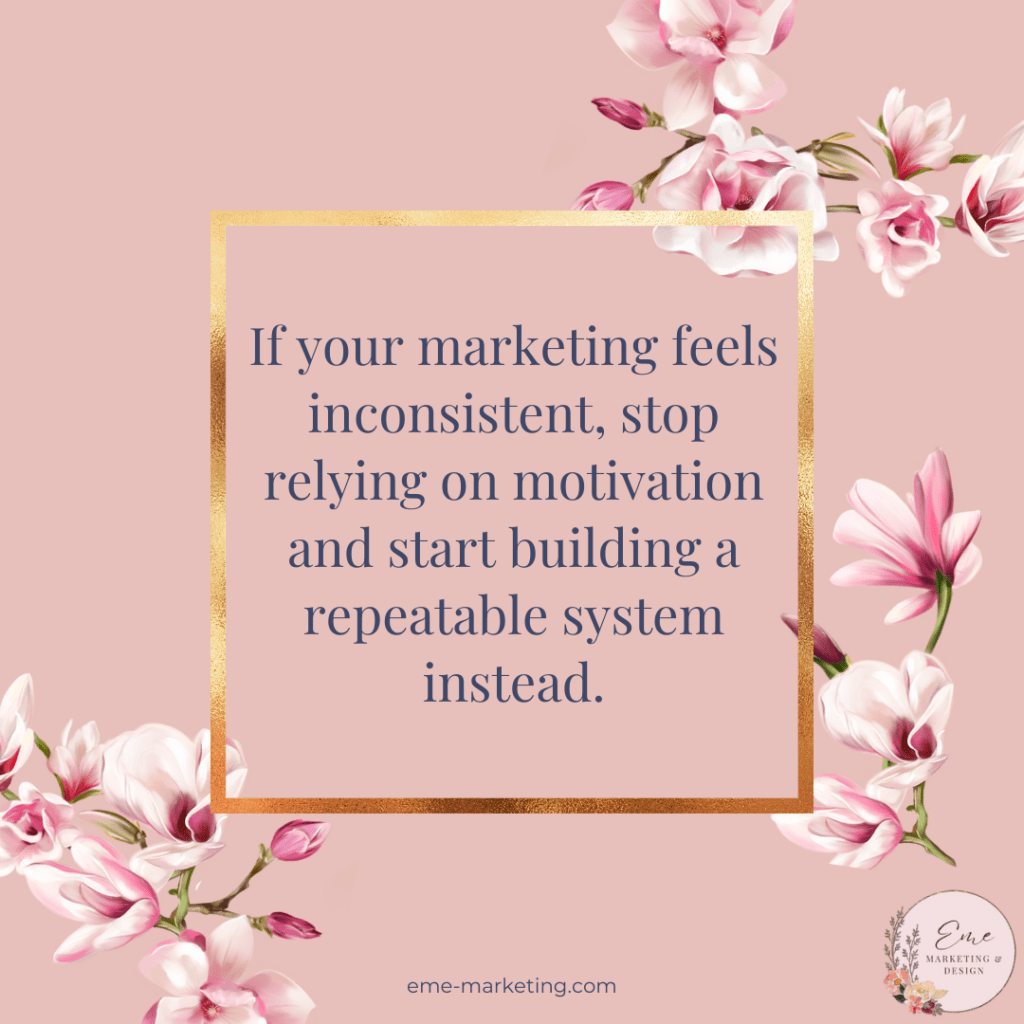
- Why Your Marketing Feels Inconsistent (and How to Fix It Without Burning Out)If your marketing feels inconsistent, scattered or dependent on your energy level each week, you are not alone. Many creative female entrepreneurs are not struggling because they lack ideas. They are struggling because they lack a repeatable system to support their visibility. In this daily marketing tip, learn why inconsistent marketing happens, how it affects trust and momentum, what to do to fix it and what to avoid if you want to stay visible without burning out. If your content rhythm feels chaotic lately, this blog will help you build a strategy that feels more organized, sustainable and supportive.
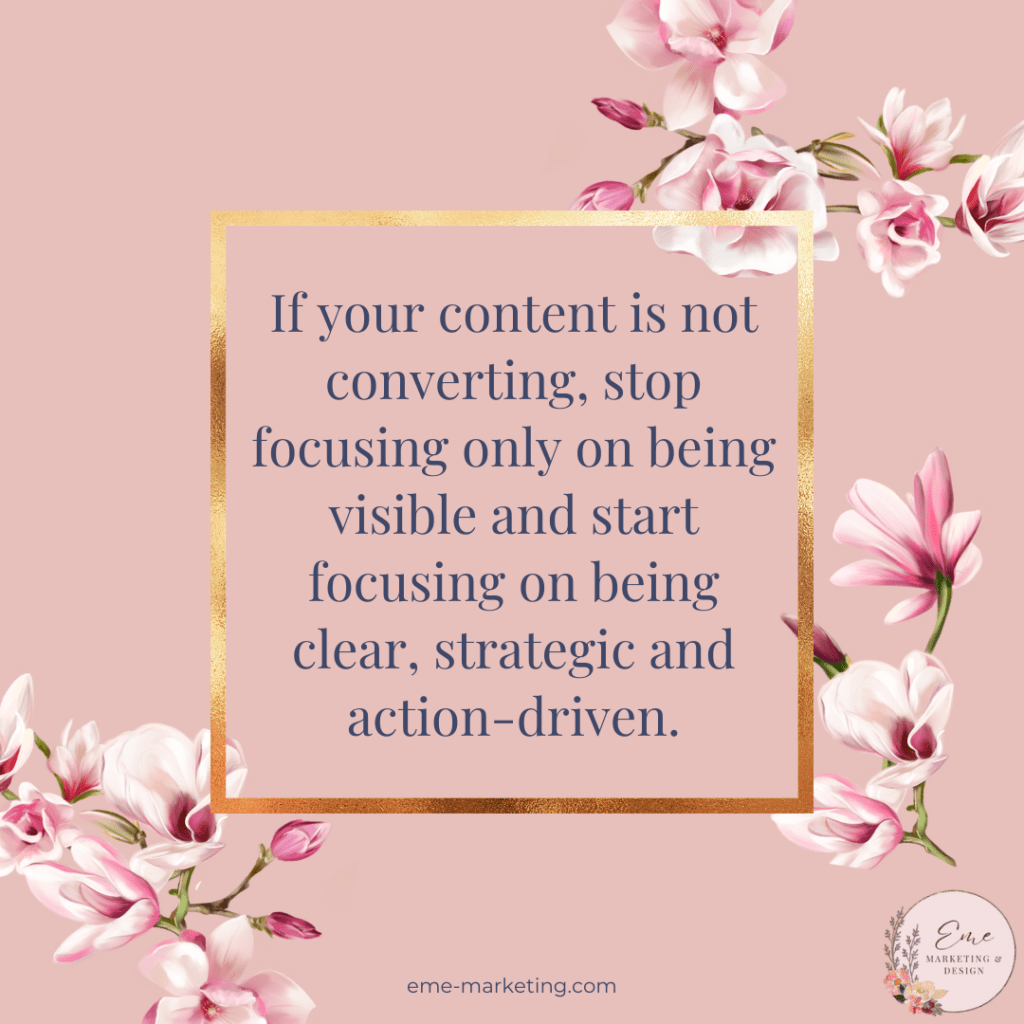
- Why Your Content Isn’t Converting (and What to Fix First)If your content looks good but isn’t bringing in inquiries, leads or real business growth, there’s a disconnect somewhere in your strategy. This daily marketing tip breaks down why your content may not be converting and what to fix first. Designed for creative female entrepreneurs, you’ll learn how to move from simply posting to creating content with purpose, clarity and direction. From identifying common mistakes to implementing practical changes, this guide helps you turn visibility into actual results. If your marketing feels inconsistent or unclear, this is your starting point to create content that finally works for your business.
- How to Build Consistency That Stands The Test of TimeMotivation is unreliable. Some weeks, ideas flow easily and showing up feels natural. Other weeks, energy dips and everything feels heavier. If your marketing strategy depends on constant inspiration, it will always feel fragile. Sustainable consistency isn’t built on emotion. It’s built on structure. When you know what you talk about, who you serve and where you’re showing up, momentum becomes manageable instead of overwhelming. You don’t need more pressure. You need a system that works on your normal days. Because businesses don’t grow from adrenaline. They grow from steady, intentional visibility.