
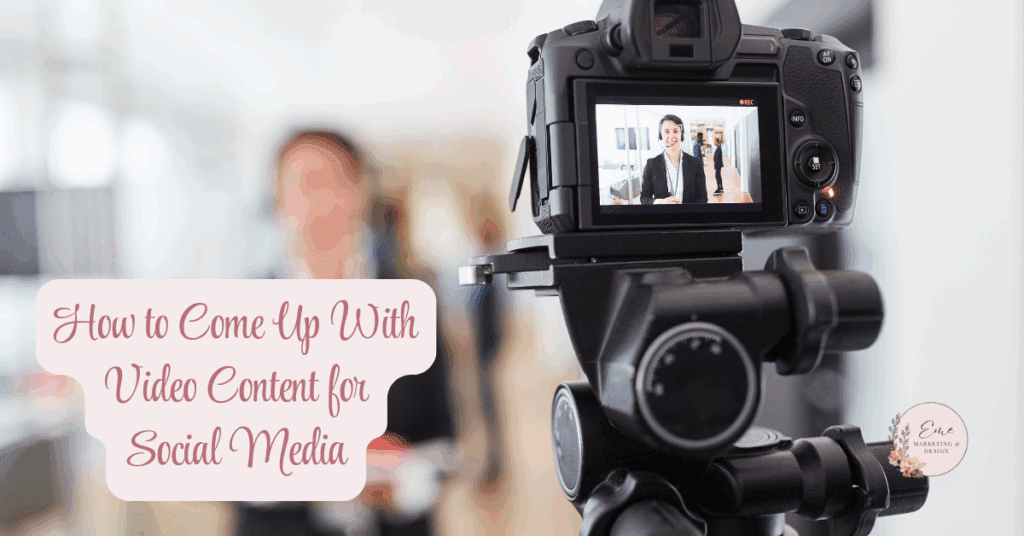
Video isn’t just “nice to have” anymore—it’s essential. From Instagram Reels to YouTube Shorts, TikTok to LinkedIn, audiences are devouring video content faster than you can say “trending audio.” The problem? Many entrepreneurs and small business owners stare at their phone camera like it’s a black hole of creativity.
So how do you consistently come up with fresh, engaging video ideas that people actually want to watch? Let’s break it down with strategies, examples, and a sprinkle of humor (because nobody wants another boring talking-head video).
1. Repurpose Your Existing Content
If you’ve already created blogs, newsletters, or even social posts, you’re sitting on a goldmine of video ideas.
How to do it:
- Take a blog post and turn each section into a short video tip.
- Record yourself explaining the highlights of a case study or client success story.
- Share a “snippet” version of a longer podcast or webinar.
Example: If you wrote a blog called 10 Ways to Boost Engagement on Instagram, that’s 10 bite-sized Reels right there. Each tip gets its own short video, and boom—you’ve got a content series.
2. Show Behind the Scenes
People love peeking behind the curtain. Authentic, raw moments often perform better than overly polished productions.
How to do it:
- Show how your product is made or packaged.
- Record a quick “day in the life” video of your work routine.
- Capture funny outtakes or bloopers.
Example: A dog trainer might show the setup process before a class—laying out treats, organizing leashes, and then the happy chaos when the puppies arrive. It’s authentic, relatable, and connects on a human level.
3. Answer FAQs
If you’re constantly fielding the same questions from clients or customers, turn those into videos. Not only do you save yourself time, but you also position yourself as the go-to resource.
How to do it:
- Keep a running list of FAQs you get via email, social media, or in person.
- Film a short, clear answer to each one.
- Add captions so people can follow along without sound.
Example: A skincare consultant could film quick answers to questions like, “Do I really need SPF if I work indoors?” or “What’s the difference between a serum and a moisturizer?”
4. Hop on Trends (But With a Twist)
Trending audios and formats can be great, but only if you make them relevant to your business. The trick is to add your unique spin so you’re not just another clone.
How to do it:
- Browse TikTok or Instagram’s trending sounds.
- Brainstorm how the theme relates to your niche.
- Keep it fun—people love seeing businesses with personality.
Example: A local coffee shop could use a trending audio clip about “not being a morning person” while showing their barista making the perfect latte.
5. Share Tips and Tutorials
Educational content builds trust and positions you as an expert. Plus, quick how-tos are some of the most shareable videos online.
How to do it:
- Record short step-by-step tutorials (30–60 seconds).
- Use screen recordings if your business is digital.
- Focus on solving small, specific problems.
Example: A marketing consultant might show “How to schedule Instagram posts in 3 steps” or “3 free analytics tools you should be using.”
6. Highlight Customer Stories
Nothing sells your business like real people singing your praises. Testimonial videos and customer spotlights add social proof while making your audience feel like part of the story.
How to do it:
- Ask clients if they’re comfortable recording a short video.
- Film them sharing their experience in their own words.
- Mix in photos or clips of the final result.
Example: A home organizer could feature a client walking through their newly decluttered pantry, showing the transformation in real time.
7. Use “Before and After” Content
Transformation sells. Showing the journey from “before” to “after” is one of the most powerful storytelling techniques in video.
How to do it:
- Film the starting point.
- Capture the process or journey.
- End with the final reveal.
Example: A fitness coach could show a quick montage: the client’s first shaky workout clip vs. their confident, strong form weeks later.
8. Document Events and Milestones
Video is perfect for capturing celebrations, launches, and big announcements. These moments humanize your brand and give your audience a reason to cheer you on.
How to do it:
- Film the setup before an event, then the highlights during.
- Record milestone celebrations like anniversaries or product launches.
- Share gratitude with your audience for supporting your journey.
Example: A nonprofit could post a video of volunteers prepping for an event, with quick interviews about why they’re involved.
9. Share Quick Wins and Hacks
Everyone loves a clever shortcut. These bite-sized pieces of content are shareable and save your audience time or money.
How to do it:
- Think of small, useful tips your audience can apply instantly.
- Keep videos under 30 seconds for maximum impact.
- Use text overlays to emphasize the hack.
Example: A pet trainer might share, “The fastest way to stop your dog from pulling on walks,” in a quick demo with a leash and harness.
10. Go Live for Real-Time Connection
Live videos can feel intimidating, but they’re fantastic for engagement. They allow your audience to interact with you directly.
How to do it:
- Schedule a Q&A and promote it in advance.
- Stream behind the scenes at an event.
- Collaborate with another entrepreneur for a dual live session.
Example: A financial coach could host a weekly “Money Mondays” live where followers submit budgeting questions in real time.
11. Use User-Generated Content (UGC)
If your customers are already creating videos about your products, share them (with permission). UGC feels authentic and trustworthy.
How to do it:
- Encourage followers to tag you in their videos.
- Run a contest asking customers to share clips.
- Repost or stitch their videos with your own commentary.
Example: A boutique could repost customers styling their outfits, showing off the versatility of their products.
12. Create “Series” Content
Instead of always scrambling for one-off ideas, create a recurring video series. This builds consistency and gives your audience something to look forward to.
How to do it:
- Choose a theme that fits your expertise.
- Film in batches to save time.
- Brand your series with a catchy name or intro.
Example: A social media manager could launch “Tip Tuesday” Reels, sharing one actionable strategy each week.
13. Share Your Story
Your audience wants to know the person behind the brand. Video is the perfect way to tell your origin story and build emotional connection.
How to do it:
- Share what inspired you to start your business.
- Talk about challenges you’ve overcome.
- Record in a casual, conversational style.
Example: A jewelry maker could tell the story of how she started making necklaces at her kitchen table, now running a thriving online shop.
14. Curate Industry News and Insights
Not every video has to be about you. Share trending news, updates, or changes in your industry to position yourself as a knowledgeable guide.
How to do it:
- Record a quick “breaking news” update when something relevant happens.
- Share your take on what it means for your audience.
- Use captions like “Here’s what you need to know.”
Example: A real estate agent could film a short video about new mortgage rate changes and what it means for first-time homebuyers.
15. Revisit and Refresh Old Ideas
Don’t be afraid to recycle. If a video performed well six months ago, bring it back with a fresh update, new format, or improved tips.
How to do it:
- Review your analytics to find past hits.
- Film a “part two” with updated information.
- Repurpose old content for new platforms.
Example: If your most-watched video was “5 Ways to Boost Engagement,” film a follow-up: “5 MORE Ways to Boost Engagement.”
Final Thoughts
The secret to never running out of video ideas? Think less about perfection and more about connection. Your audience doesn’t expect Hollywood-level production—they want content that entertains, informs, and feels authentic.
So keep a running list of ideas, stay plugged into your audience’s needs, and experiment with different formats. Before long, you’ll go from “What do I even post?” to “How do I have time to post all of this?”
Ready to Grow With Video? Here’s How to Start:
✔️ Book a free strategy call – Let’s talk goals + audience
✔️ Pick your package – Idea bank, content creation, or full-service
✔️ Get your 30-day content plan – Never wonder what to post
✔️ Launch + publish – On-brand videos ready for your platforms
✔️ Review + refine – Analytics-driven improvements for growth
👉 Schedule your consultation today:
#EmeMarketing #EmeMarketingMagic #Entrepreneur
Have You Heard About Moments That Matter?
Discover the power of thoughtful outreach with Moments That Matter. Our personalized messages make every recipient feel valued, turning ordinary moments into meaningful ones. From strengthening client relationships to sparking new ones, we help you connect authentically and boost your reputation.
✨ Let’s create Moments That Matter.